

A Beginner’s Guide to Forex Trading
If you’re looking to delve into the world of finance and trading, forex trading could be an exciting opportunity for you. Forex, or foreign exchange, refers to the global marketplace where currencies are traded. It’s one of the largest financial markets in the world, with a daily trading volume of over $6 trillion. As a beginner, you might feel overwhelmed, but fear not. This guide will provide you with the fundamental knowledge you need. Be sure to check out beginner forex trading Trading Brokers in Vietnam for more resources and broker information tailored to your needs.
Understanding the Basics of Forex Trading
At its core, forex trading is about buying one currency while simultaneously selling another. Currencies are quoted in pairs, which indicates the value of one currency against another. For instance, if you’re looking at the EUR/USD pair, the first currency (EUR) is the base currency, while the second (USD) is the quote currency. If the EUR/USD pair is quoted at 1.20, that means one Euro is worth 1.20 US Dollars.
The Major Currency Pairs
The forex market is made up of several major currency pairs, including:
- EUR/USD: Euro/US Dollar
- USD/JPY: US Dollar/Japanese Yen
- GBP/USD: British Pound/US Dollar
- USD/CHF: US Dollar/Swiss Franc
These pairs are popular due to their liquidity and volatility, making them ideal for traders seeking to capitalize on price movements.
Setting Up a Trading Account
Before you begin trading, you’ll need to open a trading account with a broker. Many online brokers provide platforms for retail traders to enter the market. When choosing a broker, consider the following:
- Regulation: Ensure the broker is regulated by a recognized authority.
- Trading Platform: Look for user-friendly platforms with the tools you need.
- Fees and Spreads: Understand the costs associated with trading, including spreads and commissions.
- Customer Support: Good customer service can make a significant difference, especially for beginners.
Learning Fundamental and Technical Analysis
Successful forex trading relies on a solid understanding of both fundamental and technical analysis.
Fundamental Analysis
This involves analyzing economic indicators, interest rates, and geopolitical events that can influence currency values. Staying updated on economic news and reports, such as GDP growth rates and employment figures, can help you make informed trading decisions.
Technical Analysis
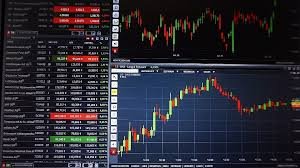
Technical analysis focuses on historical price movements and patterns. Traders use charts and various indicators to identify trends and potential reversal points. Some popular technical indicators include moving averages, Relative Strength Index (RSI), and Bollinger Bands.
Developing a Trading Strategy
Successful trading requires a well-thought-out strategy. Here are a few popular trading strategies:
- Day Trading: This involves opening and closing trades within the same day to profit from short-term price movements.
- Swing Trading: Traders hold positions over several days or weeks to capture larger price moves.
- Scalping: This strategy aims for small profits from numerous trades throughout the day, focusing on quick entries and exits.
Risk Management in Forex Trading
Risk management is crucial for long-term success in forex trading. Here are some principles to follow:
- Use Stop Loss Orders: These orders automatically close a trade at a specified loss level, helping you limit potential losses.
- Risk Only What You Can Afford to Lose: Never invest money that you cannot afford to lose. A good rule of thumb is to risk no more than 1% of your trading capital on a single trade.
- Diversify Your Trades: Avoid putting all your capital into a single trade. Spread your investments across different pairs to minimize risk.
Practicing with a Demo Account
Before jumping into live trading, consider practicing with a demo account. Most brokers offer demo accounts that allow you to trade with virtual currency. This is an excellent way to familiarize yourself with the trading platform and test your strategies without any financial risk.
Staying Disciplined and Emotionally Prepared
Trading can be emotionally taxing, especially when faced with losses. Maintaining discipline and sticking to your trading plan is vital. Avoid making impulsive decisions based on emotions, such as fear or greed. Establishing a routine that emphasizes consistent analysis and reflection can greatly enhance your trading journey.
Continuously Educate Yourself
The financial markets are constantly changing, and staying informed is essential. Read trading books, follow market news, and engage in online forums and communities to enhance your understanding of forex trading. Online courses and webinars can also provide valuable insights from experienced traders.
Conclusion
Forex trading can seem challenging at first, but with the right knowledge and skills, you can carve out your niche in this vibrant market. By understanding the basics, developing a solid strategy, implementing risk management practices, and continuously educating yourself, you’re setting yourself up for success. Remember, every trader has started as a beginner, and with patience and perseverance, you can also thrive in the world of forex trading.