

Forex Trading Jobs: Opportunities and Career Paths
In the fast-paced world of finance, forex trading jobs trading-asia.com stands out as a platform for aspiring forex traders and professionals. Forex trading, or foreign exchange trading, is the largest financial market in the world, with trillions of dollars exchanged daily. It’s a dynamic environment that attracts traders from all walks of life, each hoping to capitalize on currency fluctuations. As this field continues to evolve, various job opportunities emerge, making it a promising avenue for career development.
Understanding Forex Trading
At its core, forex trading involves the buying and selling of currency pairs to profit from changes in exchange rates. Unlike the stock market, which trades company shares, the forex market operates globally and is accessible 24/5, allowing traders to engage in trades at any time. This flexibility is one reason why many individuals and institutions are drawn to forex trading.
Types of Forex Trading Jobs
Forex trading jobs can be categorized into several types, each catering to different skill sets and career aspirations. Here are some of the most common roles:
1. Retail Forex Trader
Retail traders are individuals who trade their own capital in the forex market, often through online platforms. They may not work for any financial institution or firm, instead trading independently. Retail traders are responsible for their own strategies, risk management, and execution of trades.
2. Forex Analyst
Forex analysts study market trends and economic indicators to provide insights and recommendations. They might work for financial institutions, hedge funds, or as independent consultants. Analysts typically focus on either technical analysis, which involves statistical analysis of historical price movements, or fundamental analysis, which examines economic factors affecting currency values.
3. Forex Trader at a Financial Institution
Traders employed by banks, hedge funds, or trading firms handle large volumes of currency trades on behalf of their clients or for the institution’s profits. These traders often work in teams, utilizing sophisticated algorithms and data analysis tools to guide their trading decisions. They face higher pressure, as they must also manage the institution’s risk exposure.
4. Risk Manager
Risk managers oversee the risks associated with forex trading activities within financial institutions. They analyze potential losses and recommend strategies to mitigate them, ensuring compliance with regulations and internal policies. This role is crucial, as the forex market can be volatile and unpredictable.
5. Forex Salesperson
Forex sales professionals are responsible for maintaining relationships with clients who trade forex through their institutions. They provide clients with market information, trading advice, and support, working to expand the client base of the firm.
Required Skills for Forex Trading Jobs
Regardless of the specific job role, certain skills are essential for anyone aspiring to work in the forex trading industry:
1. Analytical Skills
Analytical skills are crucial in forex trading. Whether you are a trader, analyst, or risk manager, the ability to analyze data and evaluate market trends is vital for making informed decisions.
2. Understanding of Economic Indicators
A solid understanding of economic indicators, including interest rates, GDP, employment reports, and inflation, can provide insights that influence currency values. Traders and analysts should stay updated on global economic news.
3. Technical Proficiency
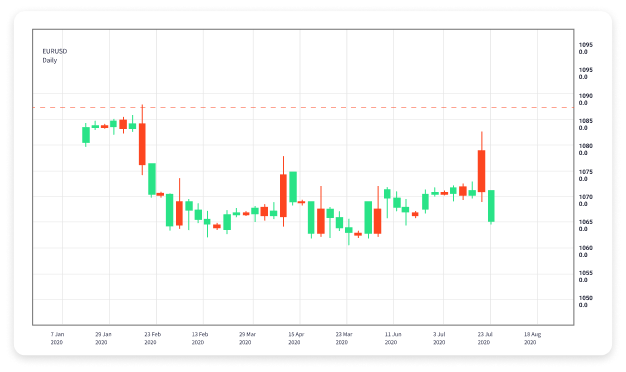
Familiarity with trading platforms, software, and tools is essential for executing trades effectively. Traders should be comfortable using technical analysis tools to chart currencies and identify trading opportunities.
4. Risk Management
Effective risk management strategies are essential to prevent losses in the volatile forex market. Understanding how to allocate funds properly and use risk-reducing techniques can significantly improve long-term success.
5. Strong Communication Skills
For those in sales or analyst roles, strong communication skills are vital. The ability to convey complex information clearly can help build relationships with clients and colleagues.
Gaining Experience in Forex Trading
Launch your career in forex trading by gaining relevant experience. Here are some strategies to get started:
1. Education and Training
Consider pursuing formal education in finance, economics, or a related field. Many universities offer specialized programs focusing on trading and financial markets. Additionally, consider attending workshops, seminars, or online courses that specialize in forex trading.
2. Practice Trading
Use demo trading accounts to practice your trading skills without risking real money. Many online trading platforms offer these demo accounts, enabling you to familiarize yourself with the trading environment and develop strategies.
3. Networking
Attend finance-related conferences and networking events to meet professionals in the forex industry. Building a strong network can lead to job opportunities and provide valuable insights into the market.
4. Stay Informed
Follow market news, reports, and economic updates. Staying informed about global events and economic changes is crucial for a successful career in forex trading.
The Future of Forex Trading Jobs
The forex trading landscape is continually evolving with advancements in technology, changes in regulatory environments, and shifts in market dynamics. Automated trading systems, machine learning, and artificial intelligence are becoming increasingly prevalent, redefining the skills required to succeed in this industry.
1. Emphasis on Technology
As technology progresses, traders and analysts must adapt to new tools and software. Staying updated on technological advancements can give you a competitive edge in the job market.
2. Increased Regulation
Regulatory requirements surrounding forex trading are becoming stricter, necessitating specialized knowledge in compliance and risk management. Professionals who can navigate these regulations will be in high demand.
3. Continued Globalization
The forex market will continue to be influenced by globalization, with emerging markets playing a more substantial role. Understanding geopolitical risks and developments will be crucial for future traders and analysts.
Conclusion
Forex trading jobs offer a wealth of opportunities for those with a passion for finance and markets. Whether you’re an independent trader, a market analyst, or a sales professional, an exciting career awaits you in this dynamic field. By acquiring the necessary skills, gaining experience, and staying informed, you can position yourself for success in the ever-evolving world of forex trading.