


In the world of currency trading, the efficacy of your strategy can make or break your success. One essential tool that many traders rely on is forex trading signals. These signals can guide your trading decisions and help you navigate the often volatile Forex market. If you are looking for the best forex trading signals, it’s crucial to understand what they are, how they work, and how you can leverage them to your advantage. For a comprehensive look at forex trading signals, visit best forex trading signals trading-fxbroker.com.
The Importance of Forex Trading Signals
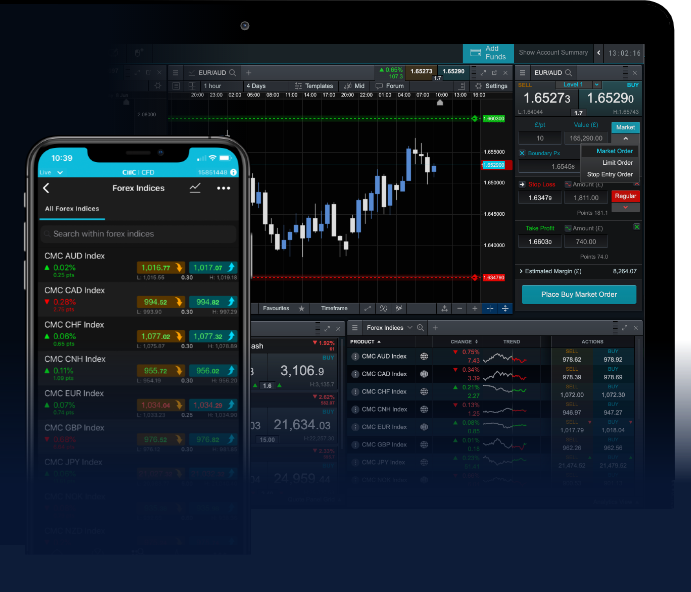
Forex trading signals are essentially indicators or alerts that suggest when to buy or sell a specific currency pair. These signals are derived from various analyses—including fundamental analysis, technical analysis, or a combination of both—and can be distributed through various means such as email, SMS, or through a dedicated trading platform. The main goal of using these signals is to simplify trading decisions and streamline the trading process.
Types of Forex Trading Signals
Understanding the different types of forex trading signals can help you choose the right ones for your trading style. Here are the main types:
- Technical Signals: These signals are based on technical analysis. Traders analyze price charts and indicators to identify patterns that indicate possible price movements. Common indicators include moving averages, RSI, and MACD.
- Fundamental Signals: Unlike technical signals, fundamental signals consider a country’s economic indicators, such as GDP growth, unemployment rates, and interest rates. Traders use this information to predict currency movements based on macroeconomic factors.
- Sentiment Signals: These signals gauge market sentiment to understand whether traders are generally bullish or bearish on a particular currency pair. A bullish sentiment could indicate a good time to buy, while a bearish sentiment may signal a selling opportunity.
How to Choose the Best Forex Trading Signals
When selecting forex trading signals, there are several factors to consider to ensure you’re choosing a reliable service. Here are some tips:
- Reputation: Look for reviews and testimonials from other traders. A reputable signals provider will have a proven track record of successful trades.
- Transparency: The best signal providers will be clear about their methodology, the types of analysis they use, and their win rates.
- Timeframes: Consider the time frames your signals will cover. Some traders prefer intraday signals, while others may look for weekly or monthly insights.
- Cost: While some signal providers are free, others may charge a fee. Consider your budget and what you can afford relative to the potential returns.
Benefits of Using Forex Trading Signals
Here are some notable benefits of integrating forex trading signals into your trading strategy:
- Time-Saving: Signals can save you hours of analysis time by providing concise, actionable insights.
- Informed Decision-Making: Signals offer data-driven guidance that can enhance your decision-making process.
- Emotional Control: Using signals can help reduce the emotional stress that comes with trading decisions. This can lead to more disciplined trading behavior.
- Learning Opportunities: For newer traders, using signals can serve as an educational tool to understand market analysis better over time.
Challenges of Using Forex Trading Signals
While forex trading signals can be beneficial, there are also challenges that traders should keep in mind:
- Reliability: Not all signals are accurate. It’s essential to do your due diligence and use signals as part of a broader trading strategy.
- Overreliance: Becoming too reliant on signals might hinder your ability to make independent trading decisions. Strive to maintain a balance between using signals and developing your analysis skills.
- Market Conditions: Changing market conditions can impact the effectiveness of signals, so staying updated on current events and market news is crucial.
Integrating Forex Trading Signals into Your Trading Strategy
To maximize the effectiveness of forex trading signals, consider the following tips:
- Combine with Your Own Analysis: Use signals as a complementary tool alongside your analysis methods.
- Use a Demo Account: Before implementing signals in a live trading environment, practice with a demo account to test how the signals perform.
- Set Risk Management Rules: Always apply risk management strategies, such as stop-loss orders, when acting on signals.
- Review and Adapt: Regularly review the performance of signals you follow and adapt your strategies as necessary.
Conclusion
Forex trading signals can be a valuable asset in your trading arsenal, guiding you through complex market movements and simplifying your decision-making process. By understanding the different types of signals and knowing how to choose a reliable provider, you can enhance your trading strategy and improve your overall results. Always keep in mind that while signals can provide valuable insights, they should be used as part of a comprehensive trading strategy that includes your research and risk management practices. With the right approach, you can maximize your trading potential and achieve your financial goals in the forex market.